

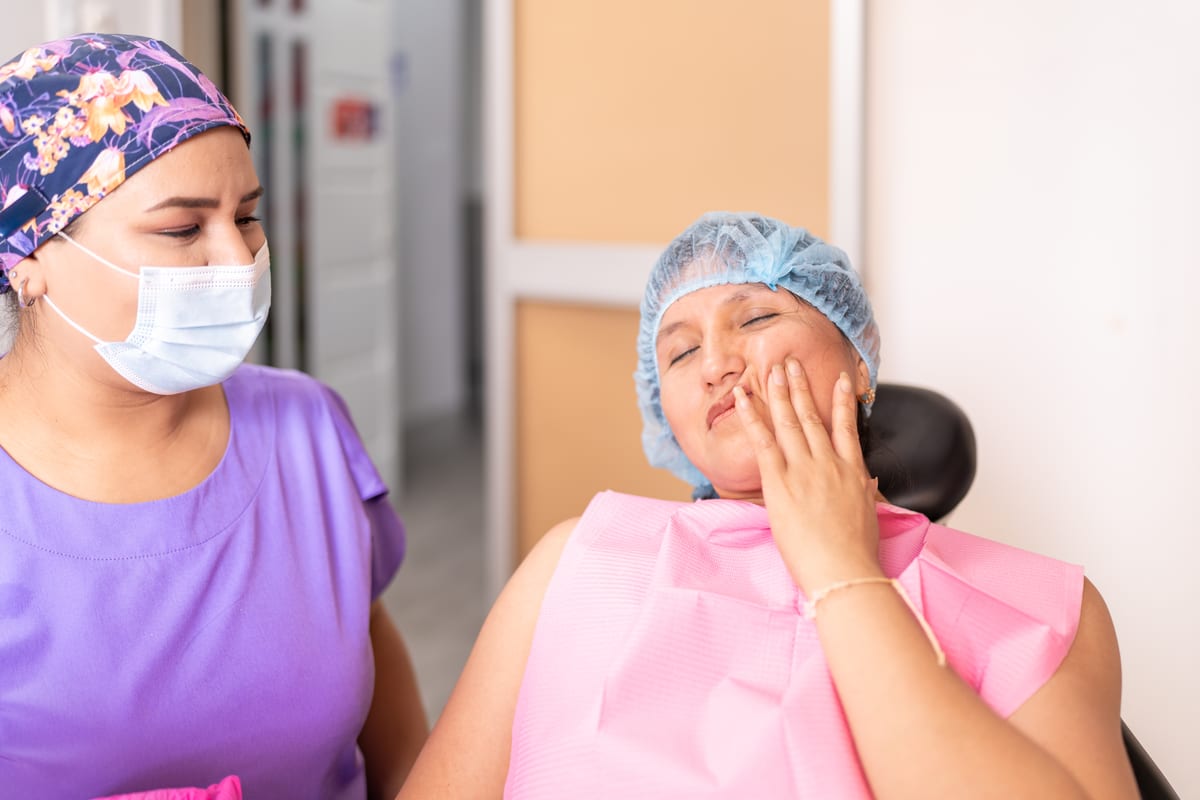
Tooth pain can strike at any moment — and it almost always feels urgent. But is your tooth pain really a dental emergency? A quick triage guide for Cedar Grove residents can make a real difference. Knowing when to call your dentist immediately versus when to wait helps you stay calm and get the right care at the right time. At Cedar Grove Dental Group, Dr. Mina Makram helps patients navigate these stressful moments every day.
This guide walks you through the most common situations patients face. We cover swelling, persistent pain, bleeding, and loose teeth. By the end, you will know exactly what steps to take next.
What Counts as a True Dental Emergency in Cedar Grove?
Not every toothache requires a same-day visit. However, some symptoms cannot wait. A true dental emergency involves risk of serious infection, permanent tooth loss, or uncontrolled bleeding.
Ask yourself these questions when pain strikes:
- Is there visible swelling in your jaw, cheek, or gums?
- Is the pain severe and throbbing — not just mild sensitivity?
- Did you lose or crack a tooth due to trauma or injury?
- Is there bleeding that will not stop after gentle pressure?
- Do you have a fever alongside your tooth or jaw pain?
If you answered yes to any of these, treat it as an emergency. Call Dr. Makram’s office right away. Delaying treatment can allow infections to spread quickly.
Swelling and Fever: Never Ignore These Warning Signs
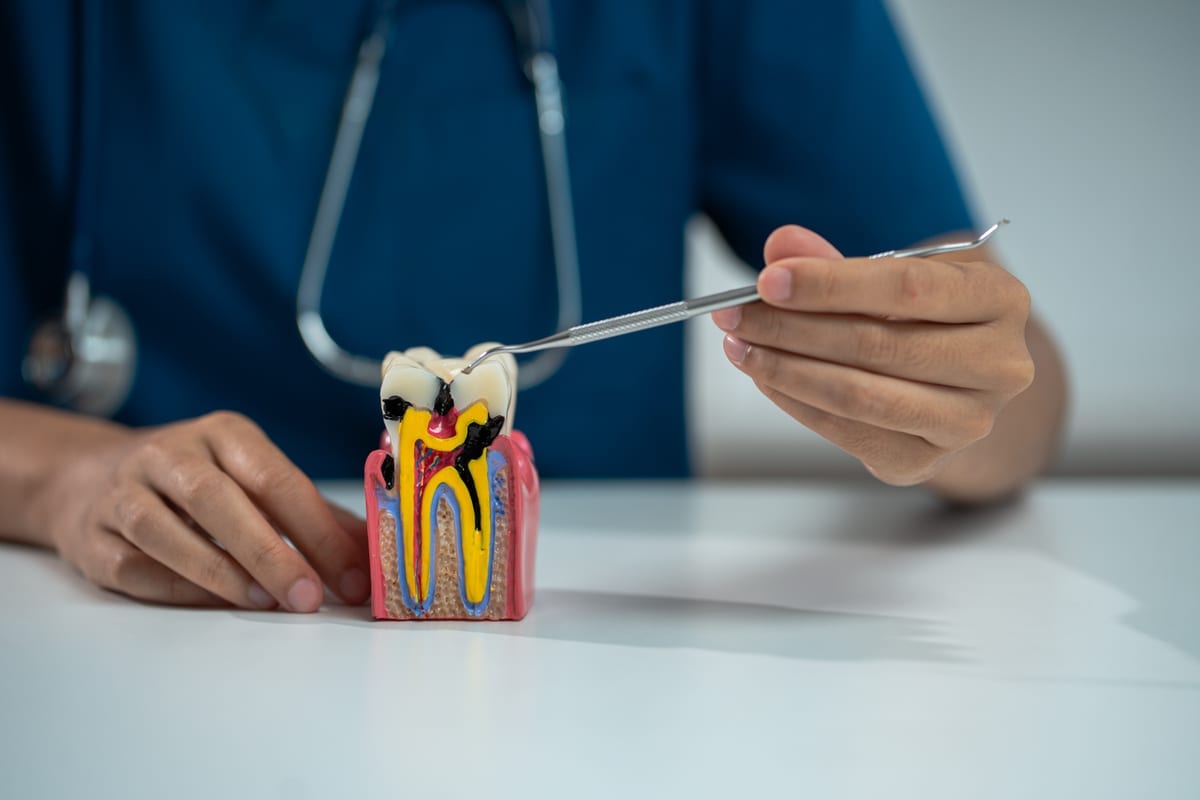
Facial swelling paired with tooth pain is one of the clearest emergency signals. Swelling often means an abscess — a pocket of infection at the tooth root. Left untreated, a dental abscess can spread to your jaw, neck, or airway.
If you notice swelling in your face or neck, do not wait to see if it improves. Seek care immediately. The same rule applies when you have a fever alongside dental pain. Fever signals your body is fighting a spreading infection.
In some severe cases, you may need emergency room care first. However, for most situations in Cedar Grove, calling Cedar Grove Dental Group gives you fast access to professional dental care. Dr. Makram will assess whether you need urgent in-office treatment or a referral.
Swelling without pain can also be serious. Gum swelling that lingers for days without a clear cause deserves prompt attention. Do not dismiss it as minor irritation.
Tooth Pain Levels: How to Triage What You Are Feeling
Pain intensity is one of the most useful triage tools you have. Use this simple scale to guide your next step:
- Mild sensitivity: Brief twinge when eating hot or cold foods. This can usually wait for a scheduled appointment.
- Moderate, constant ache: Pain that lingers for hours and disrupts your focus. Call for an appointment within 24–48 hours.
- Severe, throbbing pain: Intense pain that wakes you at night or stops you from functioning. This is an emergency — call now.
- Pain with swelling or fever: This is always an emergency, no matter the pain level.
Sharp pain that appears only when you bite down often points to a cracked tooth. Cracks can worsen quickly and may eventually require a Root Canal Treatment Cedar Grove patients trust to save the natural tooth. Early diagnosis gives you more treatment options and better outcomes.
Do not try to manage severe pain at home with over-the-counter medication for more than a day. Pain relief is temporary — treatment addresses the actual problem.
Knocked-Out, Cracked, or Loose Teeth: Act Fast
Dental trauma is one of the clearest dental emergencies. If you knock out a permanent tooth, you have roughly 30 to 60 minutes to save it. Speed is everything in this situation.
Here is exactly what to do if a tooth gets knocked out:
- Pick up the tooth by the crown — never touch the root.
- Rinse gently with clean water if it is dirty. Do not scrub it.
- Try to place it back in the socket if possible and hold it there gently.
- If reinsertion is not possible, store it in milk or between your cheek and gum.
- Get to Cedar Grove Dental Group immediately.
A cracked or fractured tooth also needs prompt care. Cracks can extend below the gum line if ignored. A severely cracked tooth may require extraction or a dental crown to restore function and appearance.
A loose permanent tooth in an adult is never normal. Trauma, gum disease, or bone loss can all cause tooth loosening. Do not wiggle it or try to remove it yourself. Call Dr. Makram’s office for urgent evaluation.
Bleeding Gums: When Is It an Emergency?
Occasional gum bleeding during brushing is common and often related to gum disease or aggressive brushing. It is rarely a dental emergency on its own. However, certain bleeding situations do require urgent care.
Seek emergency dental care in Cedar Grove if you experience:
- Heavy bleeding that does not slow after 10–15 minutes of firm pressure
- Bleeding following a tooth extraction that seems excessive
- Bleeding after a mouth injury combined with severe pain or swelling
Persistent bleeding after extraction can indicate a dry socket or infection. Both require professional treatment to heal properly. Apply gentle pressure with clean gauze while you arrange to see Dr. Makram.
If minor gum bleeding happens regularly during your routine at home, book a cleaning and checkup. Regular cleanings at Cedar Grove Dental Group help prevent gum disease before it becomes a bigger problem.
What Can Wait — and What Helps You Plan Ahead
Not every dental issue is a crisis. Some symptoms can wait for a scheduled appointment without significant risk. Mild tooth sensitivity to temperature, a small chip on a non-painful tooth, and a lost filling without severe pain are generally not emergencies.
Still, do not postpone these for weeks. A lost filling leaves your tooth vulnerable to further decay. A small chip can become a larger fracture. Address non-urgent issues within a few days whenever possible.
Preventive care also reduces your risk of emergencies significantly. Routine checkups, cleanings, and prompt attention to small problems keep your smile healthy long term. For patients interested in cosmetic concerns alongside dental health, Dr. Makram also offers Dental Veneers And Dental Laminates Cedar Grove patients rely on for a confident, restored smile.
Your Next Step When Pain Strikes in Cedar Grove
When tooth pain hits, staying calm and assessing your symptoms quickly makes a real difference. Use this guide as your starting point. Severe pain, swelling, facial trauma, and uncontrolled bleeding always warrant a same-day call to Cedar Grove Dental Group. Mild symptoms can often wait a short time — but never ignore them entirely.
Dr. Mina Makram and the Cedar Grove Dental Group team are here to help you navigate dental emergencies with confidence and care. You never have to guess alone. Book Now to schedule your appointment with our team.
Frequently Asked Questions
How do I know if my toothache is a dental emergency?
Severe throbbing pain, swelling, fever, or a knocked-out tooth are all signs of a dental emergency. Mild sensitivity that comes and goes is usually not urgent. When in doubt, call Cedar Grove Dental Group and describe your symptoms — Dr. Makram’s team can help you decide quickly.
What should I do if I knock out a tooth?
Handle the tooth by the crown only. Rinse it gently without scrubbing. Try to reinsert it in the socket or store it in milk. Get to a dental office within 30 to 60 minutes for the best chance of saving the tooth.
Can a dental abscess go away on its own?
No. A dental abscess will not resolve without professional treatment. It can spread to surrounding tissue, your jaw, or even your airway if left untreated. Seek emergency dental care in Cedar Grove as soon as you notice swelling or a pimple-like bump near a painful tooth.
Is bleeding after a tooth extraction normal?
Some bleeding in the first few hours after extraction is normal. Apply gentle pressure with gauze and bite down firmly. If heavy bleeding continues beyond 30 minutes without slowing, contact Cedar Grove Dental Group right away for guidance.
What can I do to manage tooth pain before my dental appointment?
Over-the-counter pain relievers like ibuprofen can temporarily reduce inflammation and discomfort. A cold compress on the outside of your cheek can help with swelling. Avoid very hot, cold, or hard foods near the painful area. These steps help manage symptoms — they do not replace professional treatment.