

Stepping out of the dental chair with a noticeably whiter smile provides an immediate boost in confidence. You’ve invested time in your appearance, and the results of professional brightening are often striking. However, the longevity of that radiance depends heavily on the first few days and your long-term daily habits. Professional whitening lifts deep-seated stains, but the process also temporarily makes your enamel more porous. This means that for the first forty-eight hours, your teeth are essentially like a sponge, ready to absorb any pigments they encounter.
Maintaining that “just-whitened” look is less about drastic lifestyle changes and more about strategic choices. Most people assume that once the treatment is over, the work is done. In reality, your mouth’s environment is constantly challenged by the foods you eat and the beverages you enjoy. Understanding how to protect your investment ensures that you won’t be back in the chair sooner than necessary.
The Critical Forty-Eight-Hour Window
Immediately following tooth whitening in Cedar Grove, your teeth undergo a rehydration process. During this time, the “dental pellicle”—a thin protein film that naturally protects your enamel—is temporarily removed. Without this barrier, staining agents can penetrate deeper and faster. I always advise patients to stick to a “white diet” for at least two days. This means choosing foods like chicken, white fish, rice, pasta with cream sauce instead of red, and white cheeses.
If you can avoid anything that would stain a white t-shirt, you are on the right track. This includes avoiding soy sauce, balsamic vinegar, and dark berries. While it might seem restrictive, this short-term commitment prevents the immediate “re-staining” that can happen when enamel pores are still open. Once this window passes, your enamel “seals” back up, and you can slowly reintroduce more colorful foods.
Managing the Morning Caffeine Ritual
Coffee and tea are perhaps the biggest hurdles for my patients. These beverages contain tannins—organic compounds that bind to the enamel and leave behind a yellow or brown tint. You don’t necessarily have to give up your morning cup, but you should adjust how you consume it. Using a straw is a simple yet effective way to bypass your front teeth entirely, significantly reducing the time the liquid contacts your enamel.
Beyond the straw technique, rinsing your mouth with plain water immediately after finishing your coffee can neutralize acids and wash away pigments before they settle. Many residents visiting us for tooth whitening find that simply adding a splash of milk to their coffee helps. The proteins in dairy can bind to the tannins in tea and coffee, preventing them from sticking to your teeth as aggressively. It’s these small, consistent adjustments that make the difference between results that last six months and those that last two years.
The Power of Daily Hygiene and Touch-Ups
Your toothbrush is your primary defense against surface stains. Using a whitening toothpaste can help polish away new stains before they become permanent. However, be careful not to use highly abrasive versions too frequently, as they can wear down the enamel over time. Flossing is equally important, as it prevents “interproximal staining”—those dark lines that form between teeth where a brush can’t reach.
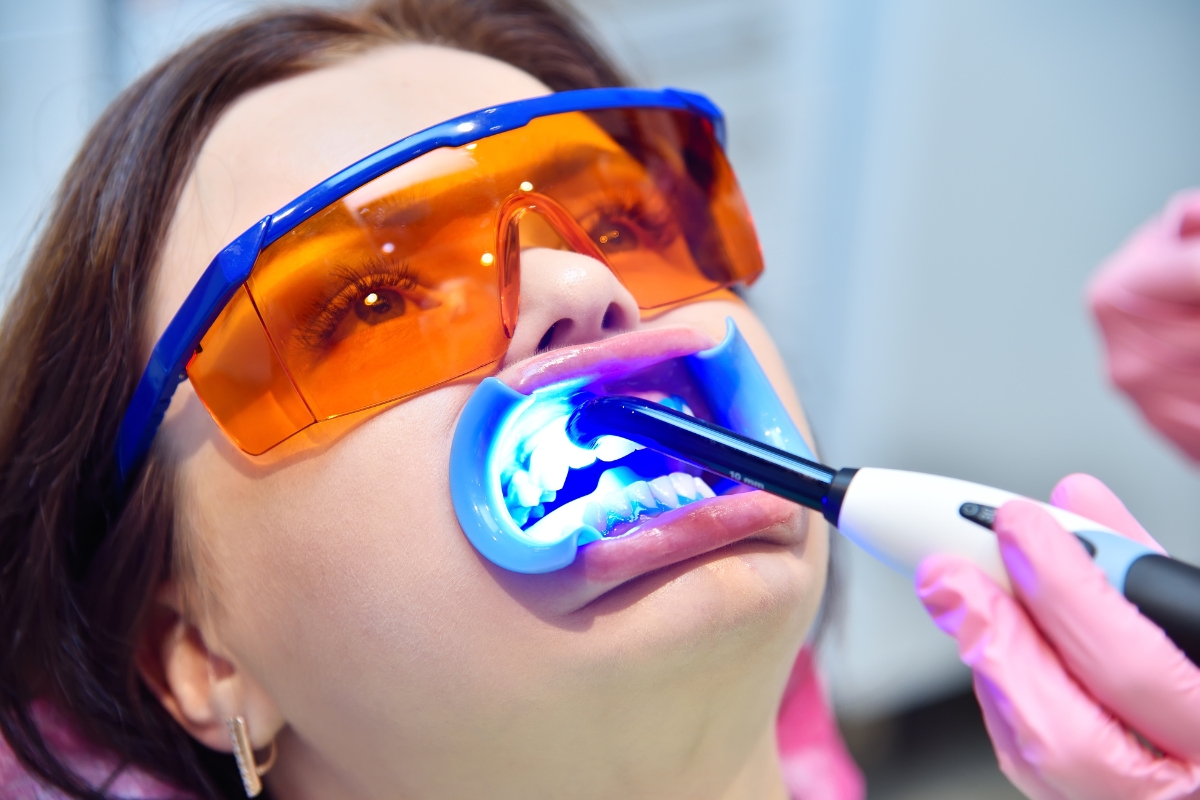
Even with perfect habits, natural aging and lifestyle will eventually dull the brightness. This is why we offer tooth-whitening solutions in Cedar Grove that include personalized touch-up options. Periodic use of a custom-fitted tray for just one or two nights every few months can “reset” your shade. This prevents the need for a full, intensive whitening session later. Staying ahead of the staining process is much easier than trying to reverse it once it has become severe.
Simple Habits for a Lasting Bright Smile
- Hydrate Frequently: Drinking water throughout the day helps wash away food debris and keeps saliva flow high.
- Crunchy Produce: Foods like apples, celery, and carrots act as “natural toothbrushes,” physically scrubbing the teeth while you chew.
- Avoid Tobacco: Whether it’s smoking or vaping, nicotine and tar are the fastest ways to turn a white smile yellow.
- Cheese as a Buffer: Eating a small piece of cheese after a meal can help neutralize mouth acids and provide calcium to strengthen enamel.
Strategic Adjustments for Social Events
Red wine and dark sodas are notorious for undoing whitening work. When you’re out at a local restaurant or at a gathering in town, try alternating your glass of wine with a glass of water. If you’re a fan of dark-colored cocktails or sodas, consider switching to clear spirits like gin or vodka with club soda, which don’t stain. These choices allow you to enjoy your social life without constantly worrying about your smile’s brilliance.
Maintaining your oral health is a collaborative effort. By combining these at-home strategies with professional guidance, you can enjoy a radiant smile that stands the test of time. It isn’t about perfection; it’s about being mindful of the factors that affect your enamel every day.
A bright smile is a valuable asset, and keeping it that way is rewarding. By making a few small shifts in your daily routine and staying consistent with your hygiene, you can ensure your results remain vibrant for the long haul. We enjoy seeing the transformation in our patients’ confidence and are committed to helping you preserve that feeling.
Contact Cedar Grove Dental Group today to schedule your consultation and keep your smile glowing year-round.
Commonly Asked Questions About Whitening Upkeep
Why do my teeth feel sensitive right after whitening?
Sensitivity occurs because the whitening agent temporarily opens the microscopic tubules in your dentin. This exposure makes the nerves more sensitive to temperature changes. It usually subsides within twenty-four to forty-eight hours. Using a desensitizing toothpaste a week before and after your treatment can significantly minimize this discomfort.
Can I use charcoal toothpaste to maintain my results?
We generally advise against it. Charcoal is often too abrasive and can actually scratch your enamel. While it might remove some surface stains initially, the rough surface it creates makes it easier for future stains to “grip” onto the tooth. Stick to ADA-approved whitening toothpastes for a safer result.
Does whitening work on crowns or veneers?
Professional whitening agents only work on natural tooth structure. If you have crowns, veneers, or white fillings on your front teeth, they will stay their original color while the surrounding natural teeth get brighter. This can lead to an uneven look, which is why we always plan whitening treatments carefully around existing dental work.
How often should I get a professional “touch-up”?
Most patients find that a professional refresh every twelve to eighteen months is ideal. However, if you are a heavy coffee drinker or smoker, you might benefit from a touch-up every six months. We can evaluate your shade during your regular six-month cleaning to see if a quick boost is needed.